Museum Flehite reopens on 17 July as Museum Amersfoort, with a new permanent exhibition full of inspiring stories. City Curator Dorine Maat talks about the new permanent exhibition on the history of Amersfoort: Amorfortia.
Why is Museum Flehite changing its name to Museum Amersfoort?
“Because we want to show more clearly what we stand for. We are the city’s museum and tell stories that resonate with Amersfoort and its residents. This new name makes it immediately clear what visitors can expect. Much more than just the name is changing. With the new permanent exhibition, Amorfortia, we are also introducing a broader perspective on the city’s history. We are now linking heritage, art and current social issues more closely together.”
What exactly is Amorfortia?
“In the new permanent exhibition, Amorfortia, visitors embark on a journey through the history of Amersfoort, from prehistory to the present day. You begin the exhibition with a large multimedia model of the city. This shows how Amersfoort grew from a small settlement into the city it is today. The focus is not on dates, but on the stories of the people who have shaped the city. From beer brewers and artists to migrants, administrators, pilgrims and today’s residents. Amorfortia is the name given to Amersfoort on a city map dating from 1588. Loosely translated from Latin, it means ‘strong love’. A fitting name for an exhibition about the bond between people and their city. Naturally, many residents will find the exhibition familiar. Visitors from further afield will discover, through Amorfortia, what makes Amersfoort special and how the city is linked to wider national and international developments.”
Why was this new permanent exhibition needed?
“Amersfoort has a rich history. It is, above all, people who make a city. With Amorfortia, we want to show how personal stories, major events and social developments together shape the history of Amersfoort. This new exhibition tells a broader and more contemporary story. As well as well-known historical events, we also look at themes that are still relevant today. Think of migration, identity, inequality, power, entrepreneurship and a sense of community. This ensures that the story of our history is also recognisable to today’s visitors.”
Who is Amorfortia aimed at?
“For anyone curious about Amersfoort. For residents who want to get to know their city better, and for visitors discovering Amersfoort for the first time. The exhibition invites you to reflect on the present. Many topics from the past are surprisingly relevant today. Questions about who belongs, who has influence, and how a city changes. The exhibition tells the stories of Amersfoort, always from the perspective of the people who lived, worked, believed, undertook ventures and dreamt here.”
What are some of the special objects visitors can see?
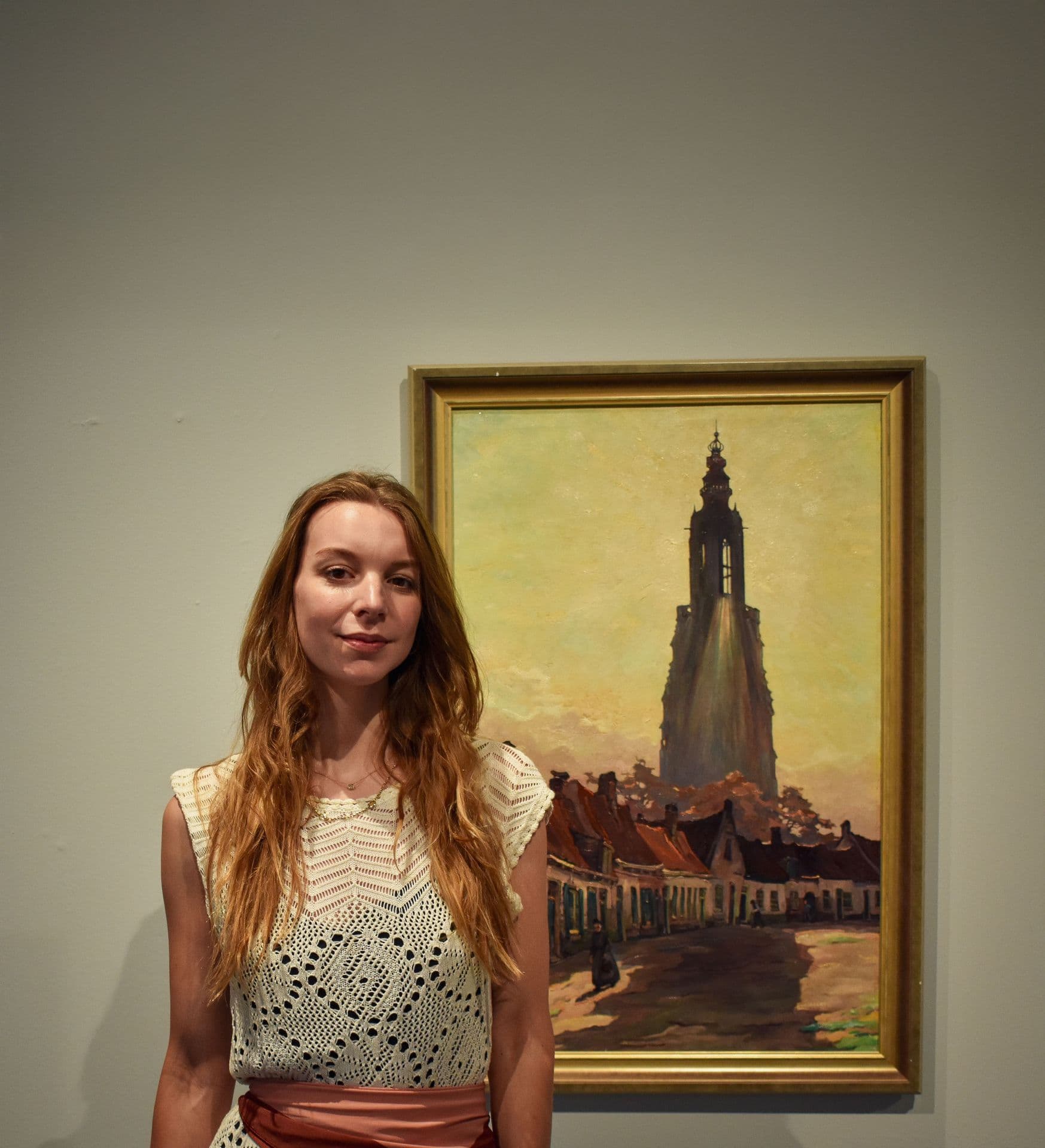
“In Amorfortia, historical objects are combined with paintings and other works of art. This allows you to discover what happened and how people viewed and imagined their world. Art helps us to look at the city in a different light. There are so many remarkable objects on display. For example, an urn over three thousand years old; the keys to the city that were specially made for a visit by Napoleon but which he forgot to take with him; a genuine cell door from the Dieventoren featuring centuries-old graffiti; objects that tell the story of the city’s migration history, local tobacco cultivation and the beer industry; and, of course, the classics: the paintings by masters such as Jacob van Campen, Mathias Withoos and his famous daughter Alida Withoos.”
What do you think is the most surprising story in the exhibition?
“That’s a tough choice. I think many visitors will be surprised by the stories of female beer brewers. In the late Middle Ages, Amersfoort had around a hundred breweries. It was often women who brewed the beer. One of them was Christina van Vierssen. After her husband’s death in 1802, she kept the Het Klaverblad brewery running single-handedly for another fifteen years. The brewery no longer exists. The commemorative plaque can be seen at Amorfortia. I also find the important role of tobacco in Amersfoort’s economy particularly striking. For instance, in the early 1900s there was the Amersfoort tobacco factory SOPLA. For years, it advertised with the slogan ‘Steeds Onder Prima Leiding Gemaakt’ (Always Made Under Excellent Management). The people of Amersfoort soon came up with a different interpretation: “Stinken Ontzettend, Probeer Liever Andere” (Stink terribly, better try something else). Nevertheless, SOPLA’s small cigars were hugely popular. Around 1930, some 1.3 million of them rolled off the production line every week.
Why should people come and visit Amorfortia?
At Amorfortia, you find yourself right in the thick of history. You see the real artefacts, meet the people behind the stories and discover how everything is interconnected. It’s an experience you can only have in the museum. Amersfoort was shaped not only by famous leaders, artists and entrepreneurs, but also by thousands of ordinary residents. Together, their stories form the history of the city. The exhibition deliberately ends not with a full stop, but with a question. This makes sense, as Amersfoort’s history continues. Today’s residents are helping to write the next chapter.”
What do you hope visitors will take away from their visit?
“I hope people realise that a city is never finished. That after visiting the museum, they’ll look at the city with fresh eyes. Perhaps, after a visit to Amorfortia, they’ll walk past a street, building or square they’ve been to hundreds of times before and suddenly see the story behind it. I hope that, through the personal stories in the exhibition, visitors might then also be able to see one another in a broader context and understand one another better. We live in a time when many people are searching for connection and meaning. Stories from the past show that change, diversity and new encounters have always been part of the city. That helps us to look at the present as well.”
Why would a young visitor be interested in a three-thousand-year-old urn?
“If you walk past an urn in a hurry, you might think: just an old pot. But if you pause for a moment and let it sink in that thousands of years ago, people already lived here – people who loved one another, who mourned and buried their dead in urns they made and decorated with their own hands – then you might realise that those centuries are actually not as distant as you might think. Who were they? How did they live? What did they value? By linking those stories to broader themes, a history emerges that is also relevant to today’s visitors.”
Is the exhibition complete, or will it continue to evolve?
“The core display is fixed, but history is never complete. New research, new perspectives and new stories may prompt us to add to or adapt parts of the exhibition. In addition, the museum has a collection of 27,000 objects, including plenty of remarkable items that aren’t currently on display. Over time, objects will be rotated so that we can showcase different artefacts and artists. This ensures the museum continues to surprise visitors time and again. It’s precisely those who think they already know the city inside out who should come along. We often find that visitors are surprised by the little-known stories behind the places, buildings and people they encounter every day. After visiting this exhibition, the city will come even more to life: it adds a new dimension to Amersfoort.”